What Do You Buy a Man Who Has Everything and Says Nothing?
When a man says he wants nothing, take him at his word—but don’t assume he wants another novelty object, either. The best gift for someone who already has plenty is often a quiet upgrade to something he uses every day: a wallet that wears better, a desk setup that feels more considered, or a watch chosen for the way he actually spends his time.
The aim is not to impress him with a bigger box. It is to find something useful enough to leave out, well made enough to keep, and personal enough to feel chosen. That is the sweet spot for luxury gifts that get used—and for gifts that do not add clutter.
Think of the process as buying an upgrade, not buying more. Pay attention to materials, Website link dimensions, weight, compatibility, and warranty terms. If you add personalization, keep it to initials. And if the gift is from a brand with an authorized-retailer network, buy through the right channel so the recipient has a clear path to service.

Start With What He Already Uses
A man who has everything may still use the same everyday items he bought years ago. That is not necessarily a problem; it is a useful clue. Notice the objects that Extra resources are already part of his routine: the watch he wears to work, the bag he carries, the pen on his desk, the speaker in the kitchen, or the surface where he sets down his laptop.
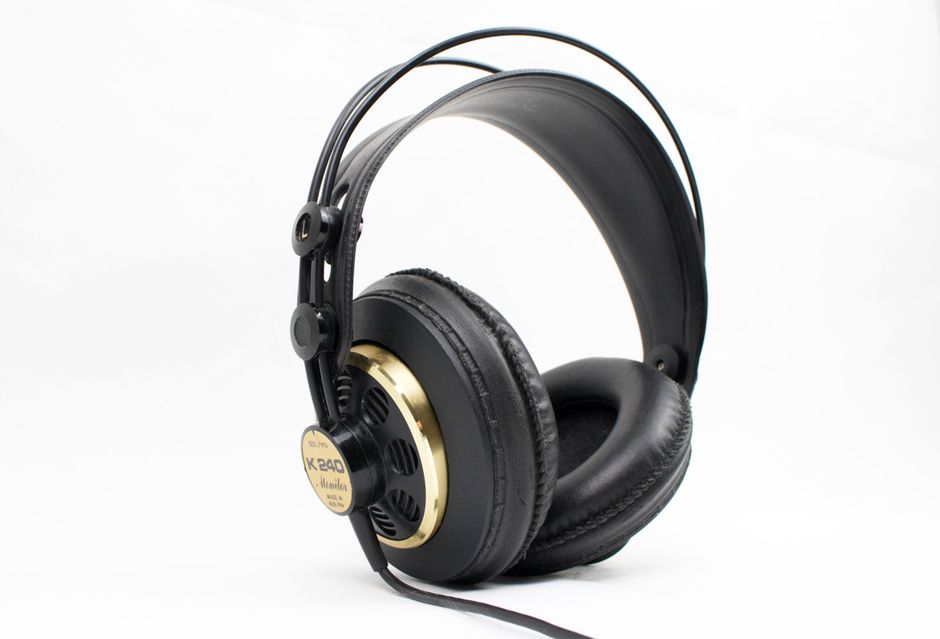
Look for a small point of friction. Is his wallet bulging? Does his work bag have a failing zipper? Is the desk crowded by cables and loose papers? Does he listen to music from a phone speaker because setting up the old stereo is a hassle? A thoughtful gift makes an existing habit easier or more enjoyable. It does not ask him to develop a new one.
A simple test before you buy
- Does it fit a routine he already has? If it requires a new hobby or complicated upkeep, keep looking.
- Will it replace something? A better version of a worn-out daily item is less likely to become clutter.
- Can you explain why this one is better? Name the material, construction, useful feature, or fit—not just the brand.
- Can he return or service it? A premium purchase should come with a clear route for support.
Choose an Upgrade He Can Feel Every Day
The most reliable upgrade everyday items are often the least theatrical. A desk pad is used during work. A watch gets worn. A well-chosen pen is there when he needs to sign something. These objects earn their place through repetition, which is a better measure of gift success than how dramatic they look when unwrapped.
For a home office, the Von Baer Executive Leather Desk Pad is one example of a substantial, practical gift. The listed price is $595; it is never discounted (per article). That makes it a considered purchase rather than a bargain-hunting impulse. Before ordering, check the current product page for its exact dimensions and material details, then compare those measurements with the recipient’s desk. A handsome desk pad that leaves no room for his keyboard or notebook is still the wrong size.
That product-page check matters with any premium leather item. “Leather” alone does not tell you everything you need to know. Look for a specific description of the material and finish, along with care instructions, dimensions, and details about construction. If a company does not provide the information you need, ask before buying. Useful specifics are more reassuring than broad luxury language.
Luxury should be measurable
“Feels premium” is hard to evaluate from a product photo. Measurements are easier. For a wallet, check thickness and capacity. For a bag, compare its dimensions and empty weight with what he carries now. For a desk accessory, measure the available surface. For a watch, consider case size and the feel of the bracelet or strap, not just the dial design.
Weight can matter as much as size. A heavier object may feel reassuring on a desk, but a heavy bag can be a nuisance on a commute. A substantial watch can suit someone who likes that presence on the wrist, while a slimmer, lighter model may get more wear. The right choice is not the most impressive specification; it is the one that suits the recipient.
Gift category What to check Why it helps Desk accessory Exact length, width, material, and care instructions Confirms it fits the workspace and can handle daily use Watch Case dimensions, weight, strap or bracelet details, and service terms Helps you choose something he will actually wear Bag or wallet Capacity, dimensions, weight, material specifics, and return policy Shows whether it improves on what he already carries Audio gear Power needs, app requirements, Wi-Fi setup, and device compatibility Avoids giving him a box that becomes a weekend projectConsider a Watch Only If It Fits His Life
A watch can be a meaningful gift, but it is also a personal object. Before choosing one, pay attention to the watches he already wears. Does he reach for a simple dial, a sportier design, a metal bracelet, or a leather strap? Does he wear a watch every day, or only for certain occasions? Those habits matter more than the brand name on the box.
Tissot offers a broad range of watches, which can make it a useful place to compare styles and price points. Treat the range as a starting point, not a shortcut: compare the specific model’s dimensions, weight, movement information, strap or bracelet, and warranty terms. Buy from an authorized retailer, and keep the receipt and warranty documentation. Warranty coverage and service details can depend on the model, country, and seller, so confirm the terms that apply to the exact watch you are considering.
If you are unsure about his taste or wrist size, avoid guessing your way into a highly distinctive design. A gift receipt, exchange option, or conversation with someone who knows his preferences can save a beautiful watch from becoming a permanent drawer resident.
Audio Gifts Need an Honest Compatibility Check
A speaker can be a genuinely useful gift if it improves something he already does—listening to music while cooking, working, or relaxing at home. It can also become an unwelcome setup task if the person giving it has not checked the basics. With Sonos, for example, consider whether the recipient is comfortable using the Sonos app and completing Wi-Fi setup. Check the product’s current requirements and confirm that his home network and devices are a fit.
That is not a reason to avoid the gift. It is a reason to make the setup part of your plan. Offer to help configure it, or choose a model and placement that match his actual rooms and listening habits. Do not assume every speaker works with every device or that the recipient wants to spend an evening troubleshooting. A useful audio gift should make listening simpler, not add a new chore.
Buy Through the Right Seller, Not Just the Lowest Price
For a premium watch, leather good, pen, or electronic device, the seller matters. An authorized retailer can provide a clearer route to the brand’s warranty and service process. That is especially important for an item he may keep for years. Confirm that the retailer is authorized before purchase, and read the product-specific warranty language rather than relying on a general promise on a listing page.
Check the return window, too. A watch may not fit his wrist or style. A desk accessory may be too large for his workspace. A device may not work with his setup. Keep the packaging and proof of purchase until you know the gift is right. If the retailer’s policies are unclear, treat that as a reason to pause, not a detail to sort out after the wrapping paper is gone.
This is also where a low headline price can be misleading. A third-party listing may not offer the same manufacturer support, and a discounted item is not automatically a better purchase. Compare the total value: product condition, seller authorization, return terms, warranty coverage, and whether the recipient can get help if something goes wrong.
Personalize With a Light Touch
Initials can turn a useful item into a personal gift without taking it over. They work well on a desk accessory, a leather item, or a pen when the placement is discreet and the lettering is restrained. Think two or three initials, a modest size, and a location that does not compete with the object’s design.
A long message can feel less like personalization and more like a permanent engraving of the giver’s speech. Keep the note in the card. Before adding initials, confirm the exact spelling and order, the available typeface, the placement, and whether personalization affects returns. When in doubt, choose no personalization over a customization that is difficult to undo.
What to Skip When He Says He Wants Nothing
Some gifts are exciting in the shop and forgotten at home. The common thread is that they ask for space, attention, or maintenance without solving a real problem. If the recipient has not expressed interest, be cautious with specialized gadgets, display objects, large collections, and anything that depends on an app or subscription he does not already use.
- Novelty items with no daily role: A clever desk toy may get a laugh and then live in a drawer.
- Oversized gifts: Measure before buying anything that needs a permanent spot.
- Unverified tech: Check app, phone, network, and accessory compatibility first.
- Vague material claims: Look for specific material descriptions and care guidance.
- Customization that overwhelms the object: Initials are usually enough.
- Purchases with fuzzy support: Confirm the seller, warranty terms, and return policy.
A Better Way to Make the Final Choice
If you are stuck between several ideas, choose the one with the clearest connection to his routine. A Montblanc pen, for instance, makes sense if he writes by hand, signs documents, or already appreciates fine writing instruments. If he rarely uses a pen, the name alone is not a reason to buy one. Look at the specific product, including its dimensions and refill or care requirements, and make sure the gift suits his habits.
The same rule applies to a Tissot watch, a Von Baer desk pad, or any premium object: brand recognition can help you narrow the field, but it cannot replace fit. The details that make a gift feel considered are often practical ones—does it fit his desk, suit his wrist, work with his home Wi-Fi, and come with support he can access?
A quick buying checklist
- Identify an everyday item he already uses.
- Find one specific improvement: better material, better fit, easier use, or more durable construction.
- Check the product page for exact dimensions, weight, materials, and care instructions.
- For tech, verify compatibility and setup requirements, including the Sonos app or Wi-Fi setup where relevant.
- Confirm the seller is authorized when brand warranty support matters.
- Read the actual warranty, return, and personalization terms for that product.
- Add initials only if they suit the item and can be applied tastefully.
The Best Gift Is the One That Disappears Into His Routine
The strongest answer to “what do you buy a man who has everything and says nothing?” is not a more extravagant object. It is a better version of something he already reaches for. That might be a desk pad that gives his workspace a useful, defined surface, a watch that fits his everyday style, or audio gear that makes listening at home easier.
Choose with evidence, not guesswork: materials, dimensions, weight, compatibility, warranty language, and return terms. Buy from a seller you trust. Keep personalization modest. Most of all, avoid giving him another thing to store, maintain, or learn unless he has shown you he wants it.
A good gift does not need to announce itself. It earns a place in his day—and stays there.